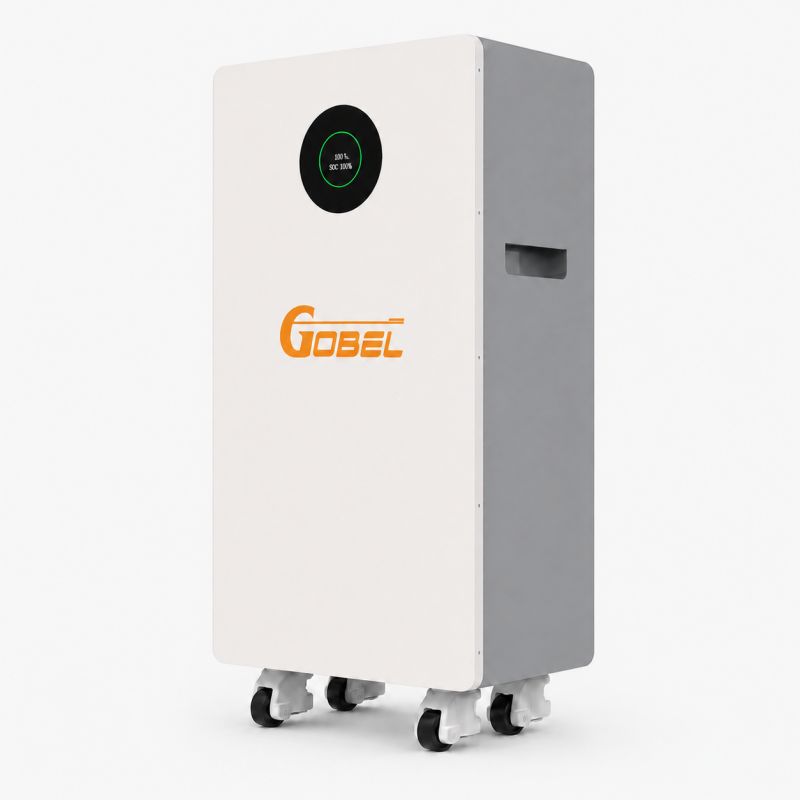
A 16kWh battery can look reassuringly simple on a product page: one cabinet, one capacity figure and one price. The useful buying decision starts with the system around it. For the Gobel Power GP-PB3-314-PC, that means checking the inverter, the installation location, delivery arrangements and the exact configuration before treating the advertised price as a complete project budget.
This guide is based on Gobel Power's official listing, reviewed on 10 October 2026. It is a buying checklist, not a hands-on performance test or an installation manual. Some links support AveroTeam through a commission at no extra cost to you.
The model in this guide
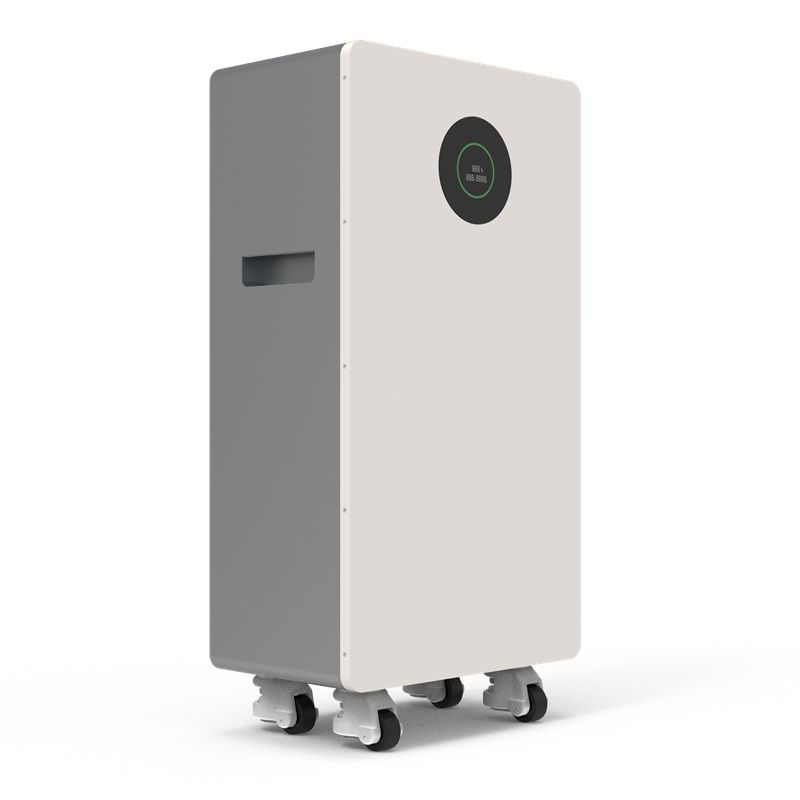
The researched listing describes a floor-standing LiFePO4 battery rated at 51.2V and 314Ah, with approximately 16kWh of nominal storage. The selected configuration was GP-PB3-314-PC with PC200 BMS, white housing and no heating pad. Gobel Power lists indoor installation and a weight of 118kg.
Those details matter more than a generic “48V battery” label. A similar-looking cabinet can have different electronics, operating limits or options. Ask the seller to put the model, BMS, heating selection and warranty selection on the quotation so your installer can assess the actual unit you intend to receive.
See the Gobel Power 16kWh battery details
Source: Gobel Power
Begin with the job you want the battery to do
Write down the purpose of the project before choosing capacity. Are you trying to store daytime solar generation for evening use, support selected essential circuits, or expand an existing compatible installation? These are different design questions. A battery cannot deliver those outcomes on its own: the inverter, controls, electrical installation and operating settings all contribute.
Make a list of the equipment you want to support and discuss its running demand and starting loads with the installer. Energy and power are different. A capacity figure describes stored energy; it does not establish how many appliances may run simultaneously. Avoid choosing a system simply because the capacity number sounds large enough.
The practical output of this step is a written requirement: which loads matter, when they operate and what behavior you expect during an interruption. That gives the seller and installer something specific to check rather than a broad request for “whole-home backup.”
Read nominal capacity as a starting point
Multiplying 51.2 volts by 314 amp-hours gives approximately 16.1 kilowatt-hours, consistent with the listing's rounded 16kWh description. That calculation explains the label; it is not a promise that all of that energy will reach your appliances.
Usable energy depends on the permitted operating range, reserve settings, conversion losses, temperature and the rest of the system. A runtime calculation should therefore use the installer’s agreed usable-energy assumptions and your actual load profile. A simple nominal-capacity division can illustrate a concept, but it is not a reliable runtime guarantee.
Also ask how the system will behave after reaching its reserve threshold and how it will recharge. The answer may matter more to everyday convenience than adding another battery without a clear plan.
Confirm the inverter and communications together
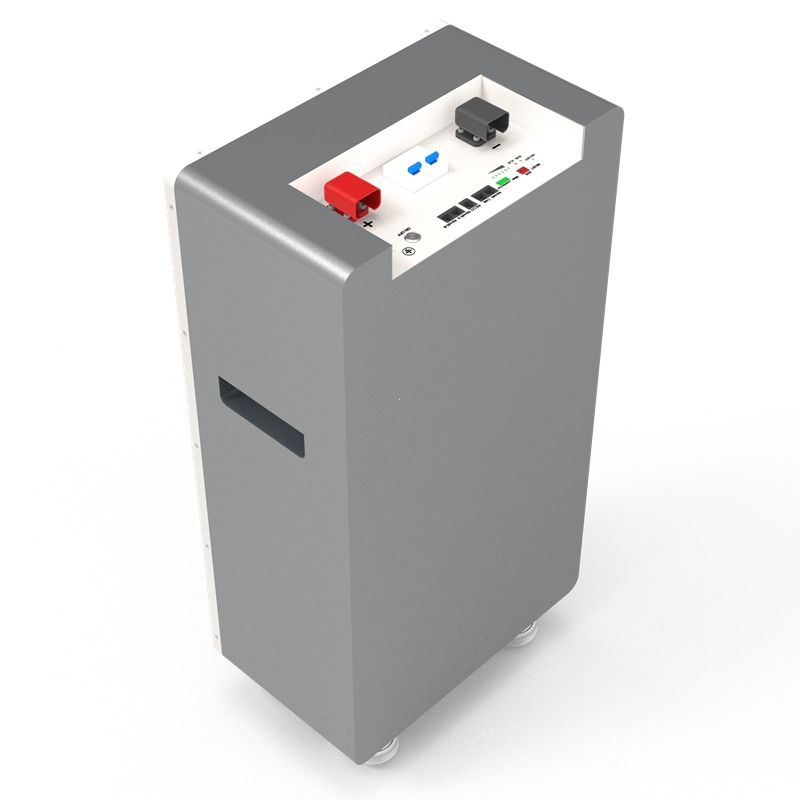
The listing refers to communications including RS485, RS232 and CAN. Matching a connector or a voltage class alone does not prove that two products will communicate correctly. Ask for compatibility confirmation covering your exact inverter model and, where relevant, its firmware and the battery configuration.
Give the installer the current technical documentation before purchase. Confirm how the battery’s operating limits will be respected and who is responsible for configuration and commissioning. If you are expanding a system, also ask whether the existing and proposed batteries can be used together under the manufacturers’ conditions.
One important research finding deserves a pause: the marketing summary and technical table on this listing do not agree on some current and voltage-limit details. We have deliberately not reproduced those conflicting figures as a specification. Obtain a written clarification for the supplied model and let the installer use the confirmed documentation. A product title is not a substitute for that answer.
Source: Gobel Power
Plan the location and the delivery route
A listed weight of 118kg makes access a real part of the project. Check the delivery arrangement, the route from the unloading point and the intended indoor position before ordering. Confirm who handles unloading and movement, whether any equipment is needed and whether the proposed position is suitable for the load.
Ask your installer about clearances, environmental conditions and service access using the manufacturer's current instructions. Do not assume that floor-standing means the unit can be placed anywhere. Keep the plan specific to the property and local requirements.
The listing showed a China dispatch option and an estimated 50–60 days for the displayed Vietnam destination during our review. That is a destination-specific example, not a universal delivery promise. Request a current estimate for your address and ask what the freight charge includes, how tracking works and what to do if the package arrives damaged.
Build a delivered and installed budget
The selected battery was listed at US$1,960 for one to four units. That is a battery price, not a complete installed-system price. Put freight, applicable taxes, compatible equipment, installation work, commissioning and any required site preparation into separate lines of your budget.
This approach makes quotations easier to compare. A lower headline battery price can be less useful if a quotation leaves important parts of the project unresolved. Ask each supplier to identify exclusions rather than guessing that an attractive package includes them.
The page also showed a “Traditional” reference price of US$3,500. We have not treated that as a verified former selling price or advertised a discount against it. The clearly stated quantity tiers provide a more defensible comparison.
When quantity pricing is relevant
For the researched configuration, Gobel Power listed US$1,920.80 per unit for five to nine units, US$1,881.60 for ten to forty-nine, and US$1,842.40 for fifty or more. The first tier is 2% below the listed one-to-four-unit price; the higher tiers are 4% and 6% below it.
These are bulk-order conditions. They do not give a single-battery buyer a 2% coupon, and they should not encourage buying more capacity than the project requires. Larger orders also change handling, system design and the amount of money committed. Confirm the final configuration and delivered quotation before relying on a displayed tier.
Browse Gobel Power offers on AveroTeam
Questions to settle before payment
- What exact model, BMS and options will be supplied?
- Is the intended inverter and firmware combination supported?
- Which current limits and voltage settings apply to this exact unit?
- What are the usable-energy assumptions for the proposed system?
- What does the freight quote include, and who unloads the shipment?
- What documentation supports the selected warranty, and what is the claims process?
- Who will install, configure and commission the complete system?
Keep the written answers alongside the order confirmation. If an important specification remains ambiguous, resolve it before purchasing rather than asking an installer to make assumptions after delivery.
Is this a complete portable power station?
No. The researched product is an energy-storage battery component. It needs compatible equipment and an appropriate installation to serve a particular use. It should not be presented as a portable appliance that provides household outlets straight out of the box.
Our practical take
The GP-PB3-314-PC is worth investigating when its configuration matches a properly planned storage system. The next useful step is a complete compatibility and delivered-cost discussion, not simply choosing the biggest capacity number. A clear project brief, confirmed technical limits and an installation plan make the shopping decision much more meaningful.
Official reference
Gobel Power GP-PB3-314-PC product listing. Prices, selections and page details reviewed on 10 October 2026; confirm current terms before ordering.